Compare Methods of Chelation Therapy
Here we look at the various ways that Chelation is administered into the body. From directly being injected to liquids and suppositories.
Among the most prominent methods of chelation therapy used in clinical practices are EDTA (ethylenediaminetetraacetic acid) and DMSA (dimercaptosuccinic acid)
EDTA is the most widely recognized chelating agent. Its primary function is to bind lead and other heavy metals, facilitating their excretion through the urine. EDTA operates by forming stable water soluble complexes with metal ions which enables the elimination from the body.
EDTA is commonly used in treating lead poisoning but has also found applications in cardiovascular disease where it can help reduce arterial plaque and calcium deposits.
Intravenous Chelation Therapy
Intravenous infusions are considered the most effective method of chelation therapy, as they deliver the chelating agent directly into the bloodstream. However, IV administration requires specialised equipment and trained medical personnel, which may not be easily accessible in some settings. Furthermore, this method can involve potential complications, such as infection at the injection site or allergic reactions to the chelating agent
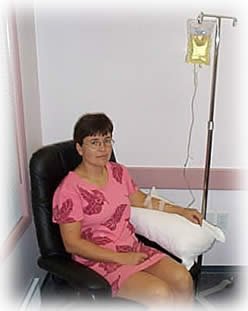 Generally performed at a clinic, the patient receives a treatment two times per week for fifteen weeks, with each treatment taking approximately 3 to 4 hours, this is just one of the Methods of Chelation Therapy which is the most expensive and time consuming, it is necessary to have around 20 to 30 treatments.
Although the absorption rate is 100% IV may not be appropriate for everyone, considering the high cost, the time involved and the lack of experienced Clinics that perform the procedure.
If not properly administered it can be very hard on the body, especially for people with kidney problems.
Suppository Method of Chelation Therapy
Suppositories have a good absorption rate however for obvious reasons can be a little awkward to administer, some users have reported a burning sensation which can be uncomfortable and reports have emerged that it could cause damage to the lining of the colon and rectum from the direct application.
Oral EDTA Method of Chelation
Oral medications present a more convenient and patient friendly option for chelation therapy. Patients can take these medications at home without the need for additional medical supervision.
However, the onset of action for oral agents is slower compared to IV infusions, as they must first pass through the digestive system before entering the bloodstream. But be aware that not all chelating agents are absorbed effectively when taken orally, which does impact the overall success.
Tablets and Capsules
Tablets and capsules of any kind have an absorption of 20% which means you will have to take a lot more of these over the day to attain the necessary dosage.
EDTA Liquids For Chelation Therapy
Oral liquids are much faster to absorb with having an absorption rate of up to 95% Cardio Renew Oral liquid EDTA is a concentrated liquid which you add to water or juice and take over a period of 6 weeks. The absorption levels of liquid EDTA is close to IV treatments.